Your Trusted Source for Used Lab Equipment


Category: HPLC, UPLC, & LC/MS | Subcategory: Detectors | Manufacturer: Wyatt Technology
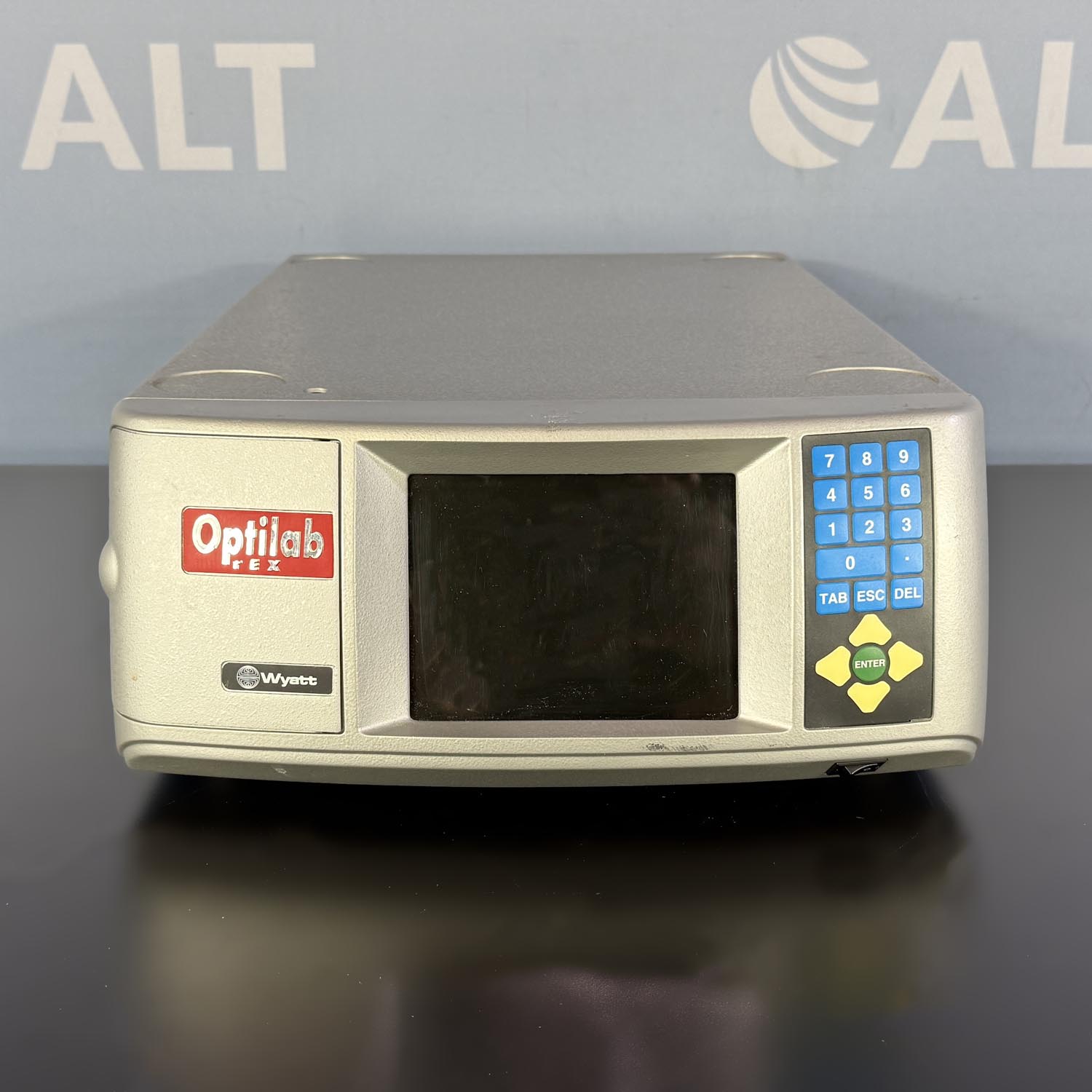
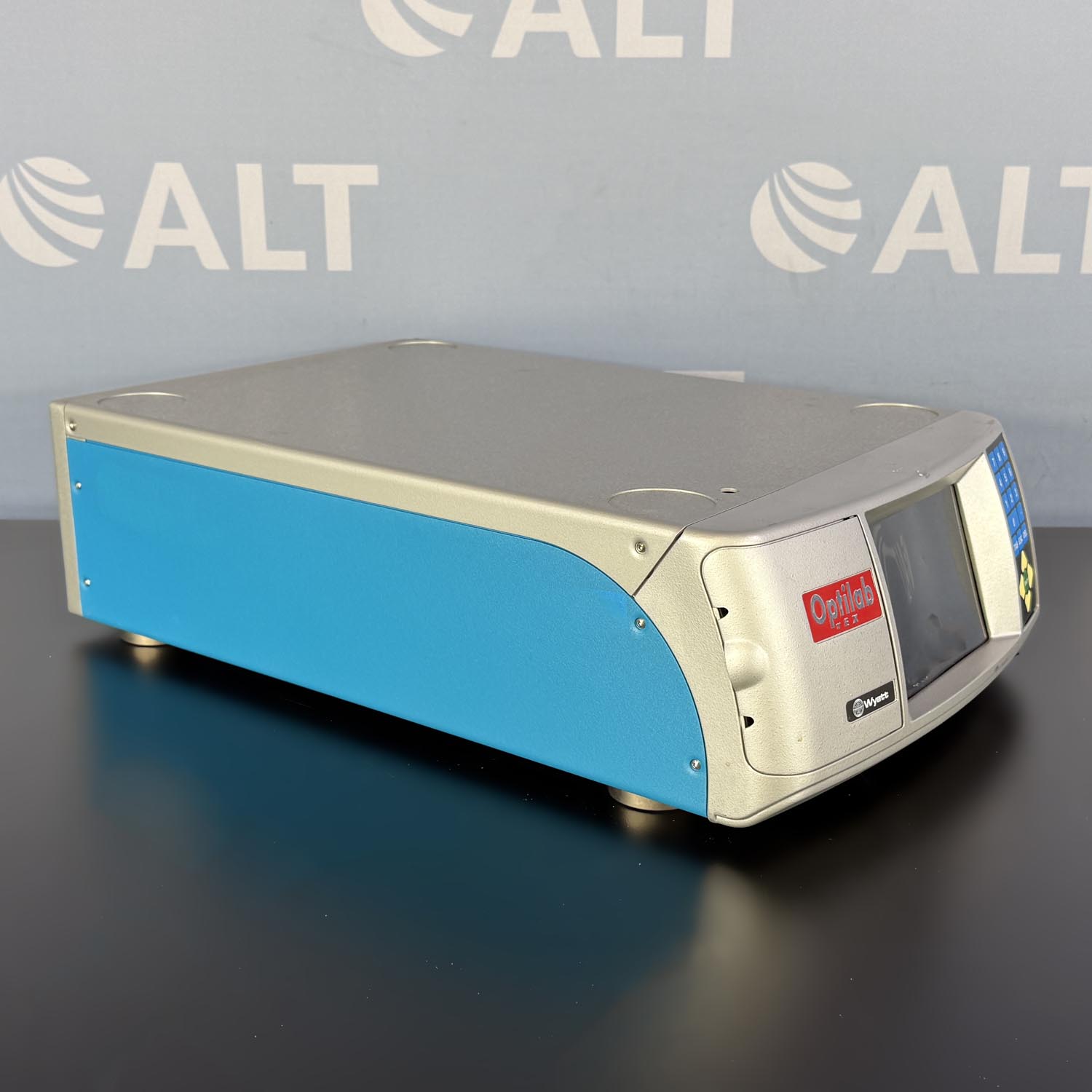
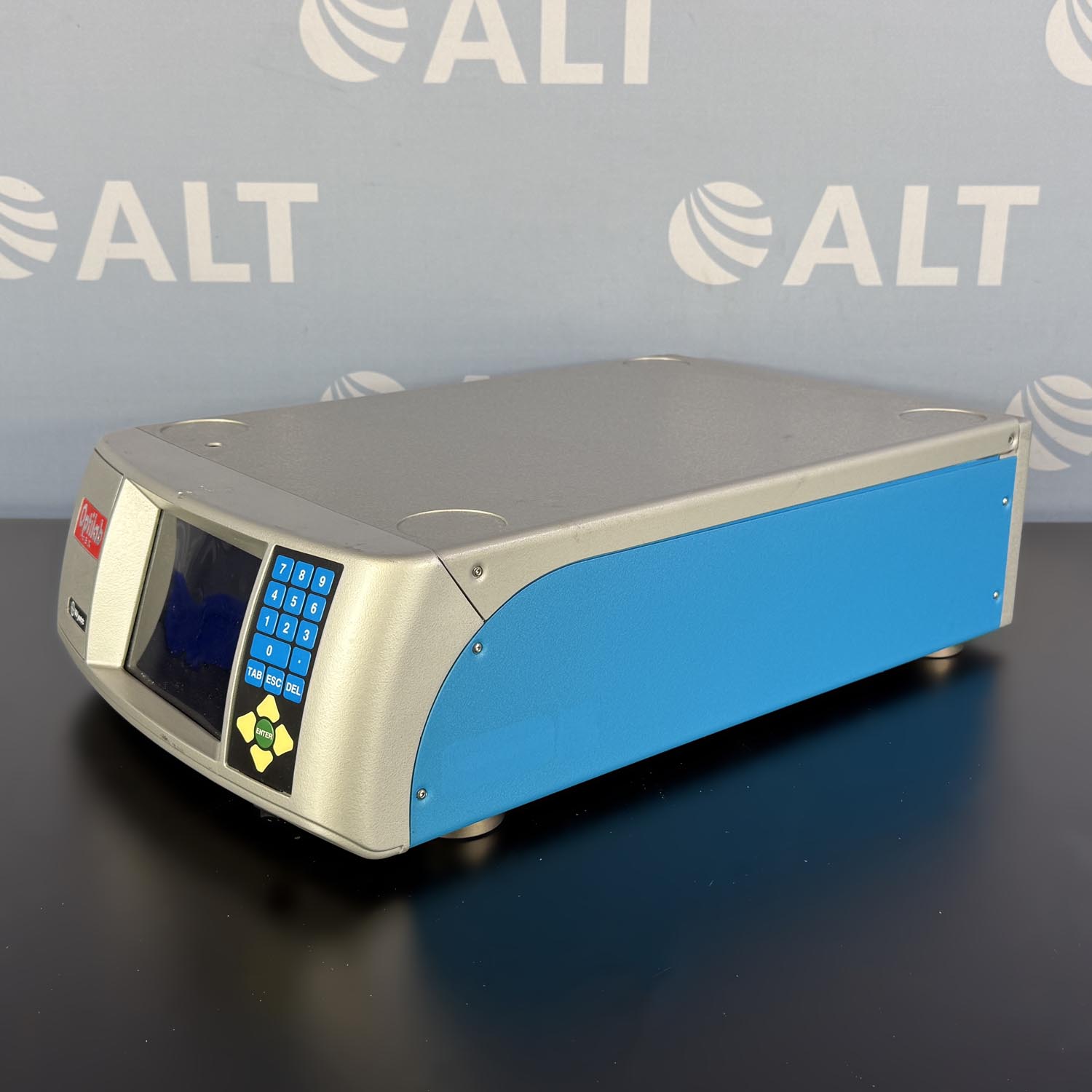
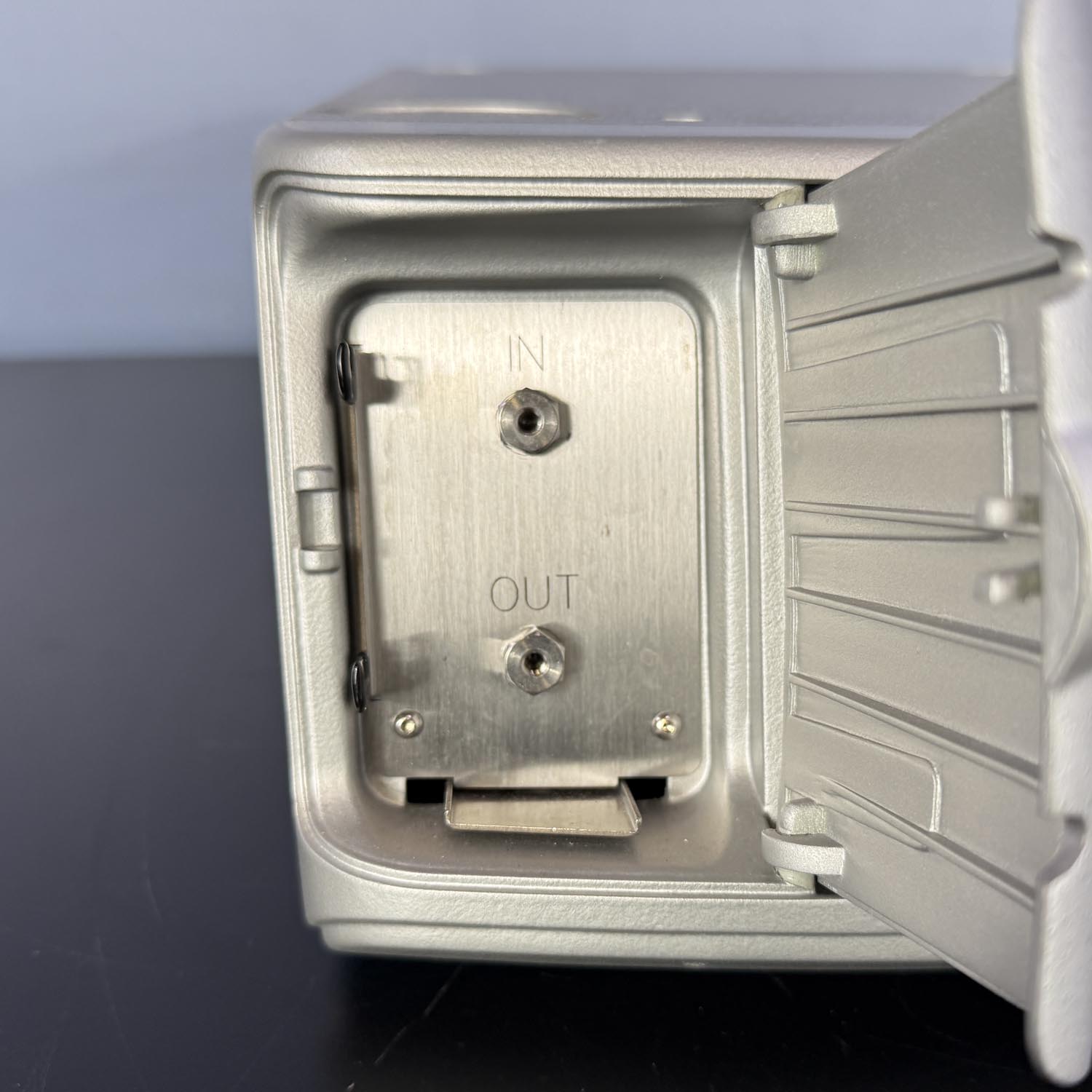
Wyatt Technology Optilab rEX Refractive Index Detector, Model WREX-02
ITEM: 34924 In Stock
Year End Sale Ends Dec 18
Save up to 30%. Check out online or request a quote.
Price: Original price was: $2,795.00.$1,956.50Current price is: $1,956.50.
Your Trusted Source for Used Lab Equipment
Free 90 Day Warranty
Up to 3 Year Warranty Upgrade Available
Tested & Refurbished Prior to Shipping
The Wyatt Technology Optilab rEX Refractive Index Detector, Model WREX-02 is a chromatography-focused refractive index detector designed for concentration measurement in SEC/GPC, HPLC, and macromolecular characterization workflows. Scientists choose the Optilab rEX for sensitive differential refractive index detection, compatibility with Wyatt light scattering systems, and integration into benchtop chromatography setups for polymer, protein, and biopolymer analysis.
Key Features & Benefits
- Differential refractive index detector for concentration detection in liquid chromatography workflows
- Well suited for SEC/GPC applications involving polymers, proteins, polysaccharides, and other macromolecules in solution
- Compatible with Wyatt multi-angle light scattering workflows for molecular weight and concentration analysis
- Thermostatted detector design supports stable baseline performance during chromatography runs
- Benchtop format integrates with surplus HPLC, FPLC, and chromatography systems
- Designed for use with Wyatt ASTRA software for chromatography data collection and analysis
Specifications
- Measurement type: Differential refractive index detection
- Detection method: Optical refractive index measurement through a flow cell
- Compatible sample types: Liquid chromatography eluents containing dissolved polymers, proteins, biopolymers, and other macromolecules
- Software compatibility: Wyatt ASTRA software
- Intended applications: SEC/GPC concentration detection, HPLC refractive index detection, and MALS companion detection
Similar Products
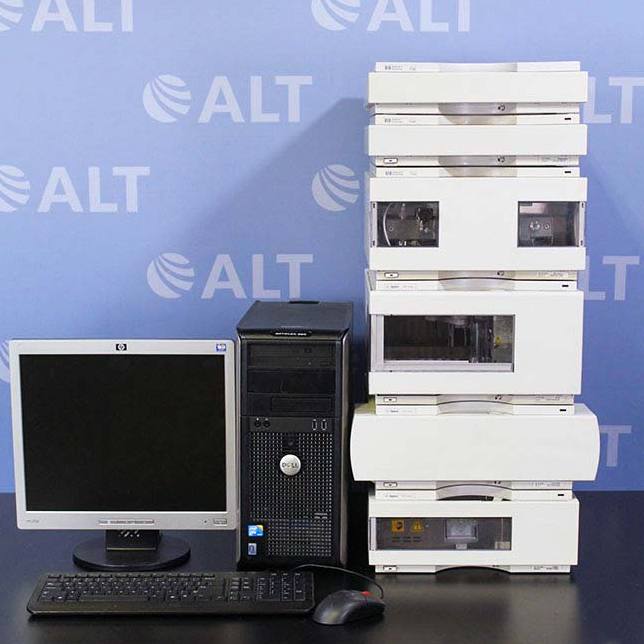
Agilent 1100 Series HPLC System with G1315A DAD Detector and G1312A Binary Pump
VIEW MORE DETAILS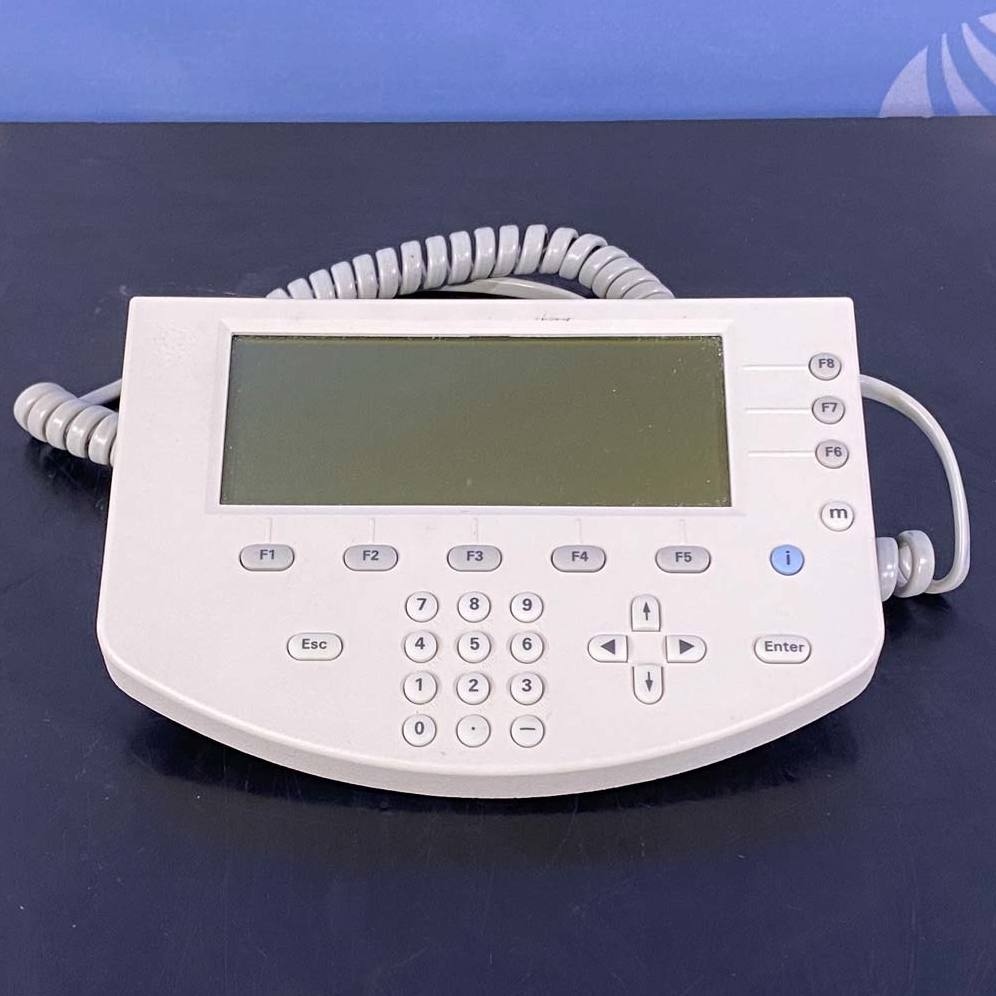
Agilent 1100 Control Module Model G1323B (Gameboy)
VIEW MORE DETAILS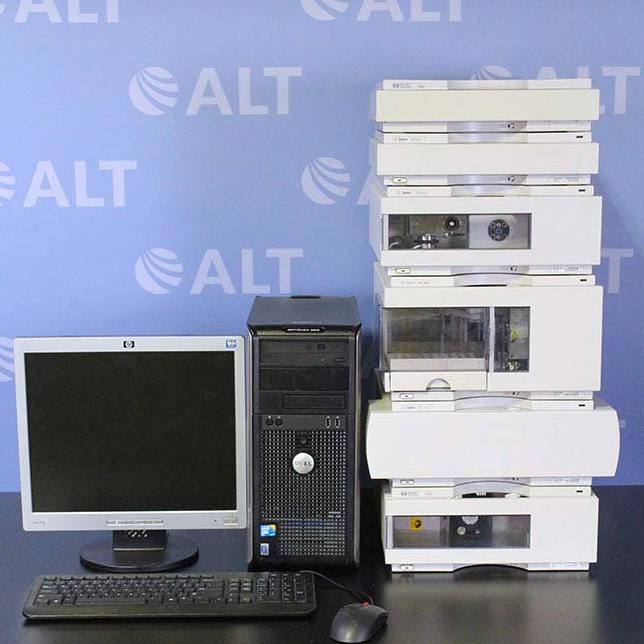
Agilent 1100 Series HPLC System with G1321A FLD and G1311A Quat Pump
VIEW MORE DETAILS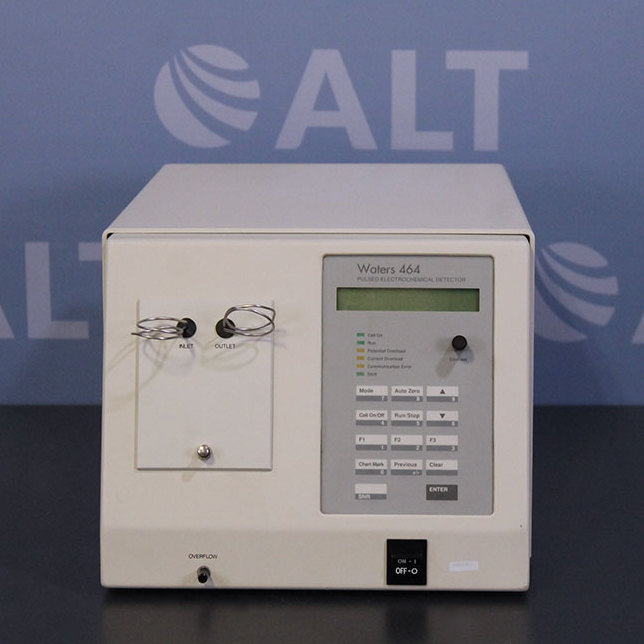
Waters 464 Pulsed ElectroChemical Detector
VIEW MORE DETAILS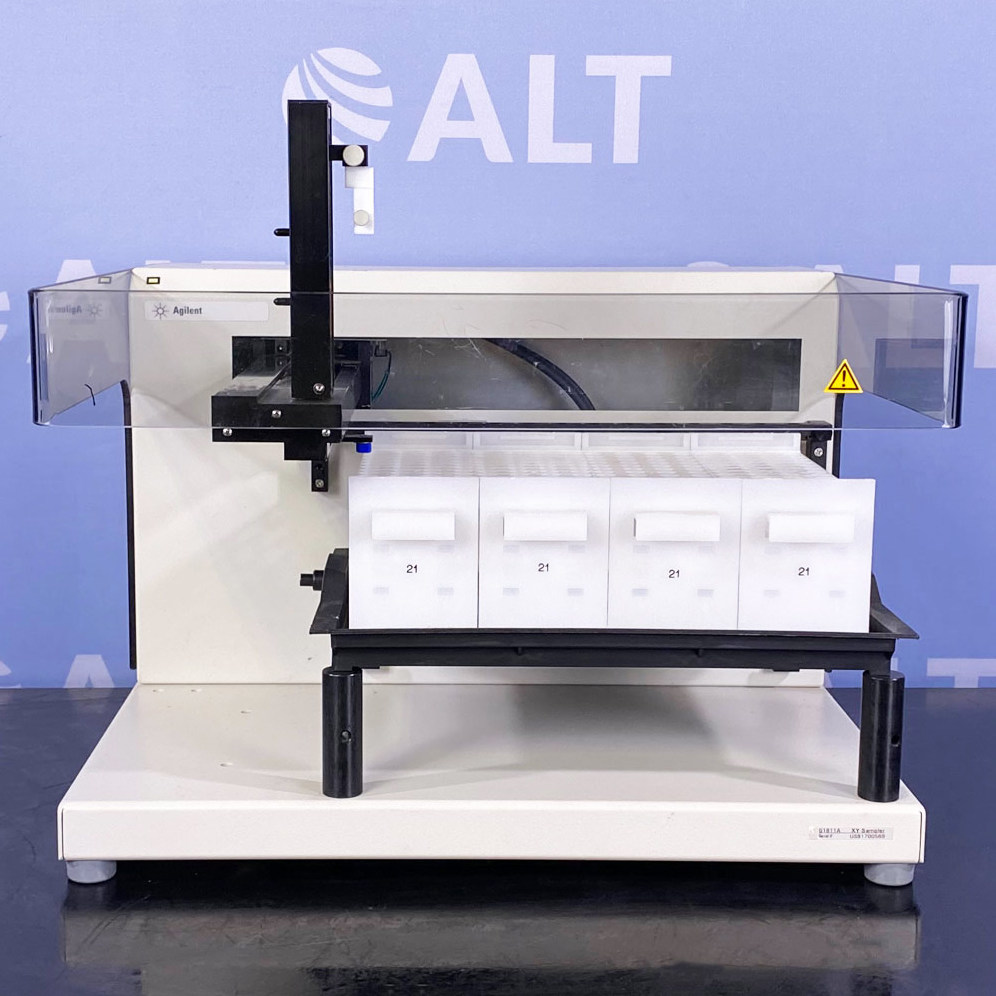
Agilent G1811A XY Autosampler
VIEW MORE DETAILS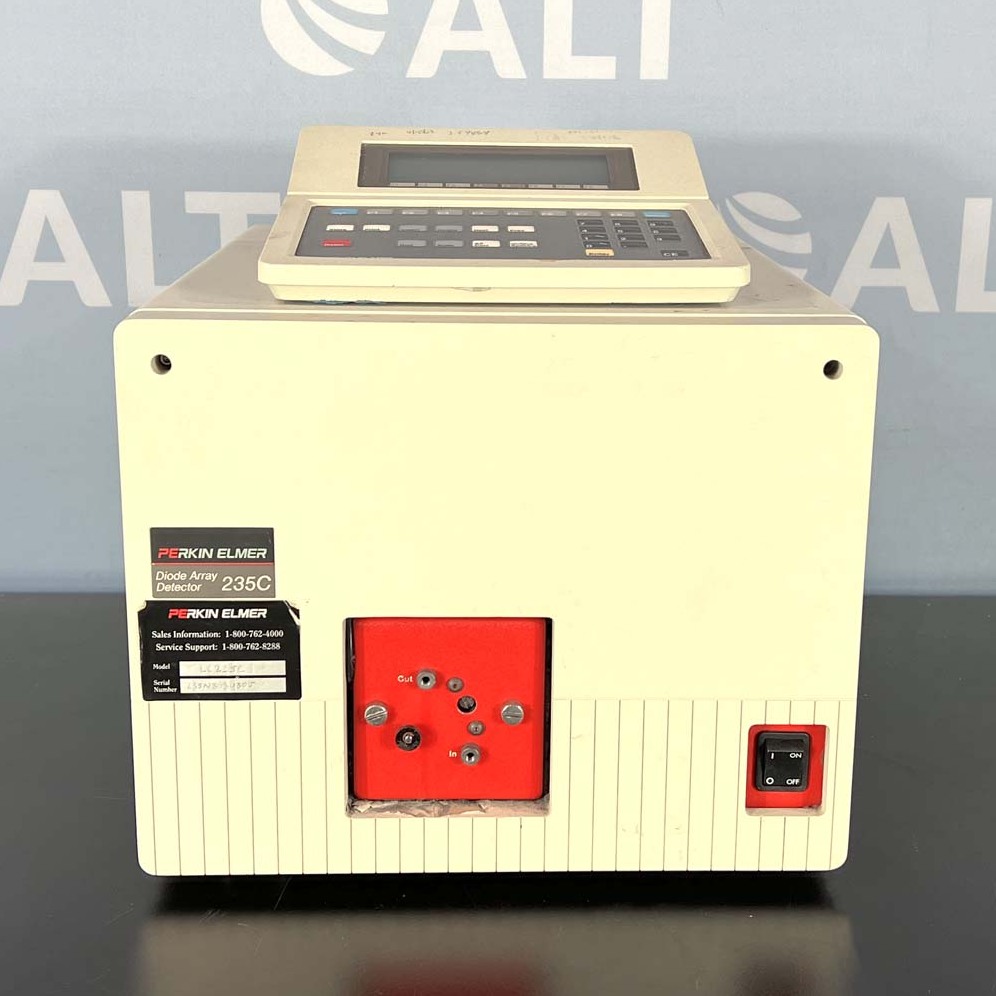
PerkinElmer LC 235C Diode Array Dectector
VIEW MORE DETAILS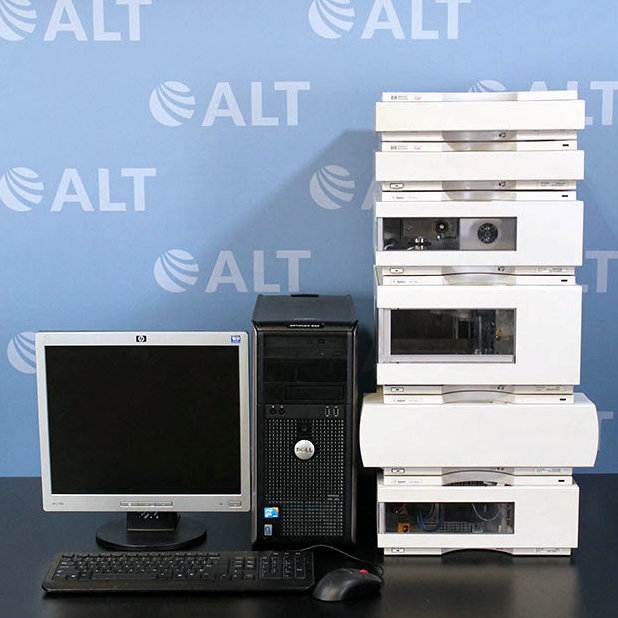
Agilent 1100 Series HPLC System With G1311 Quat Pump, G1313 ALS, G1315 DAD
VIEW MORE DETAILS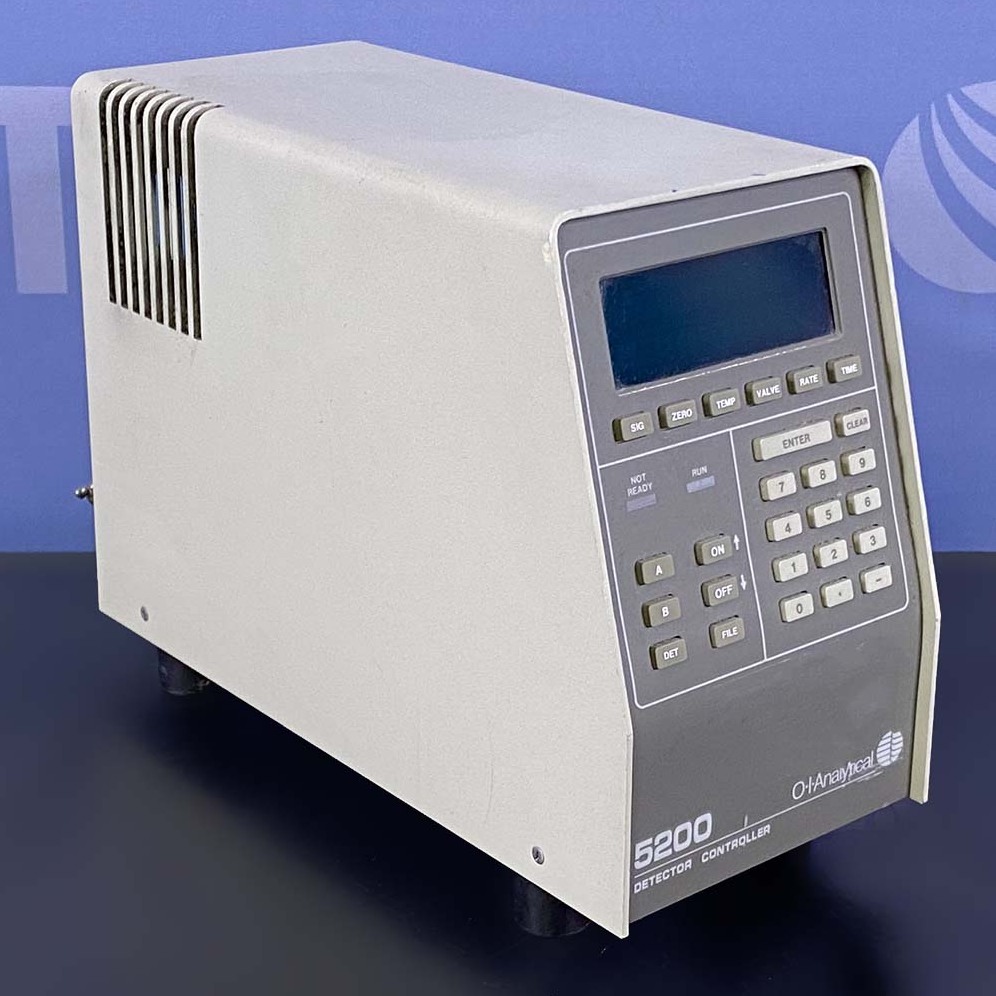
O.I.Analytical 5200 Detector Controller
VIEW MORE DETAILS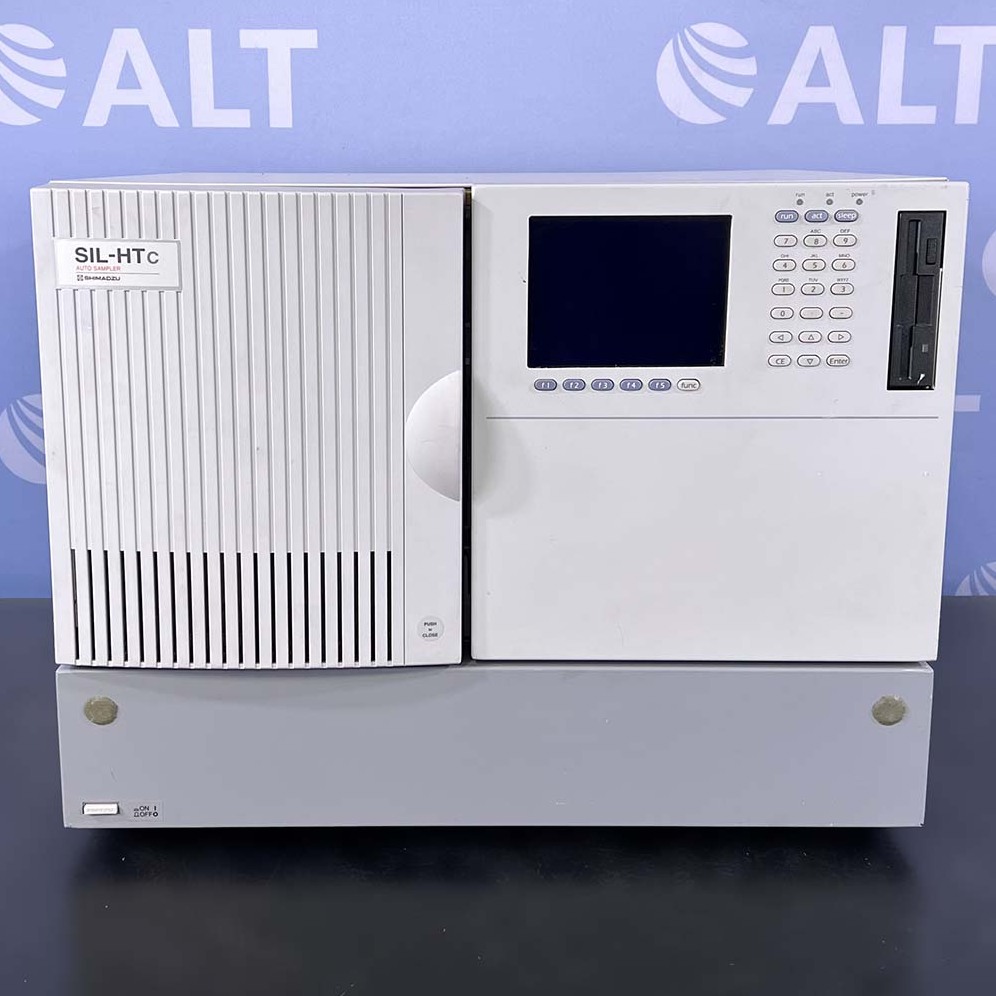
Shimadzu SIL-HTC Autosampler
VIEW MORE DETAILS