Ultrasonic
Ultrasonic equipment plays a vital role in cell analysis and disruption workflows, offering powerful and precise methods for lysing cells, extracting intracellular components, and preparing samples for downstream analysis. These instruments utilize high-frequency sound waves to generate cavitation, creating microscopic bubbles that implode and disrupt cell membranes. This process allows for efficient extraction of proteins, DNA, RNA, and other biomolecules. Ultrasonic equipment supports various scientific techniques, including chromatography, spectroscopy, and next-generation sequencing, by facilitating effective sample preparation. Researchers can fine-tune parameters such as amplitude, frequency, and processing time to optimize cell disruption for different cell types and experimental requirements, ensuring high yields and sample integrity. Manufacturers like Qsonica, Branson Ultrasonics, and Cole-Parmer offer a range... + More
Ultrasonic equipment plays a vital role in cell analysis and disruption workflows, offering powerful and precise methods for lysing cells, extracting intracellular components, and preparing samples for downstream analysis. These instruments utilize high-frequency sound waves to generate cavitation, creating microscopic bubbles that implode and disrupt cell membranes. This process allows for efficient extraction of proteins, DNA, RNA, and other biomolecules. Ultrasonic equipment supports various scientific techniques, including chromatography, spectroscopy, and next-generation sequencing, by facilitating effective sample preparation. Researchers can fine-tune parameters such as amplitude, frequency, and processing time to optimize cell disruption for different cell types and experimental requirements, ensuring high yields and sample integrity. Manufacturers like Qsonica, Branson Ultrasonics, and Cole-Parmer offer a range of ultrasonic equipment, including homogenizers, sonicators, and cleaners, catering to diverse research needs.
Common applications for ultrasonic cell disruption and analysis include DNA shearing, protein extraction, cell lysis for drug discovery, and nanoparticle dispersion. Researchers in fields such as molecular biology, biochemistry, and pharmaceuticals utilize these instruments for various workflows. For instance, researchers might use a Qsonica Q500 sonicator for DNA fragmentation prior to next-generation sequencing or a Branson Digital Sonifier for extracting proteins from bacterial cells. The precise control and versatility of ultrasonic equipment make it a valuable tool in modern laboratories, enabling scientists to efficiently prepare samples and advance scientific discovery.
ALT carries a wide selection of pre-owned, refurbished ultrasonic cell disruption instruments. Every unit includes a standard 90-day warranty, with the option to upgrade to a three-year warranty, plus ALT's lifetime support for as long as you own the equipment. Refurbished ultrasonic cell disruption instruments from ALT typically cost 50%-80% less than buying new, making it easier for labs to get the equipment they need without straining their budget. - Less
Refine Search:
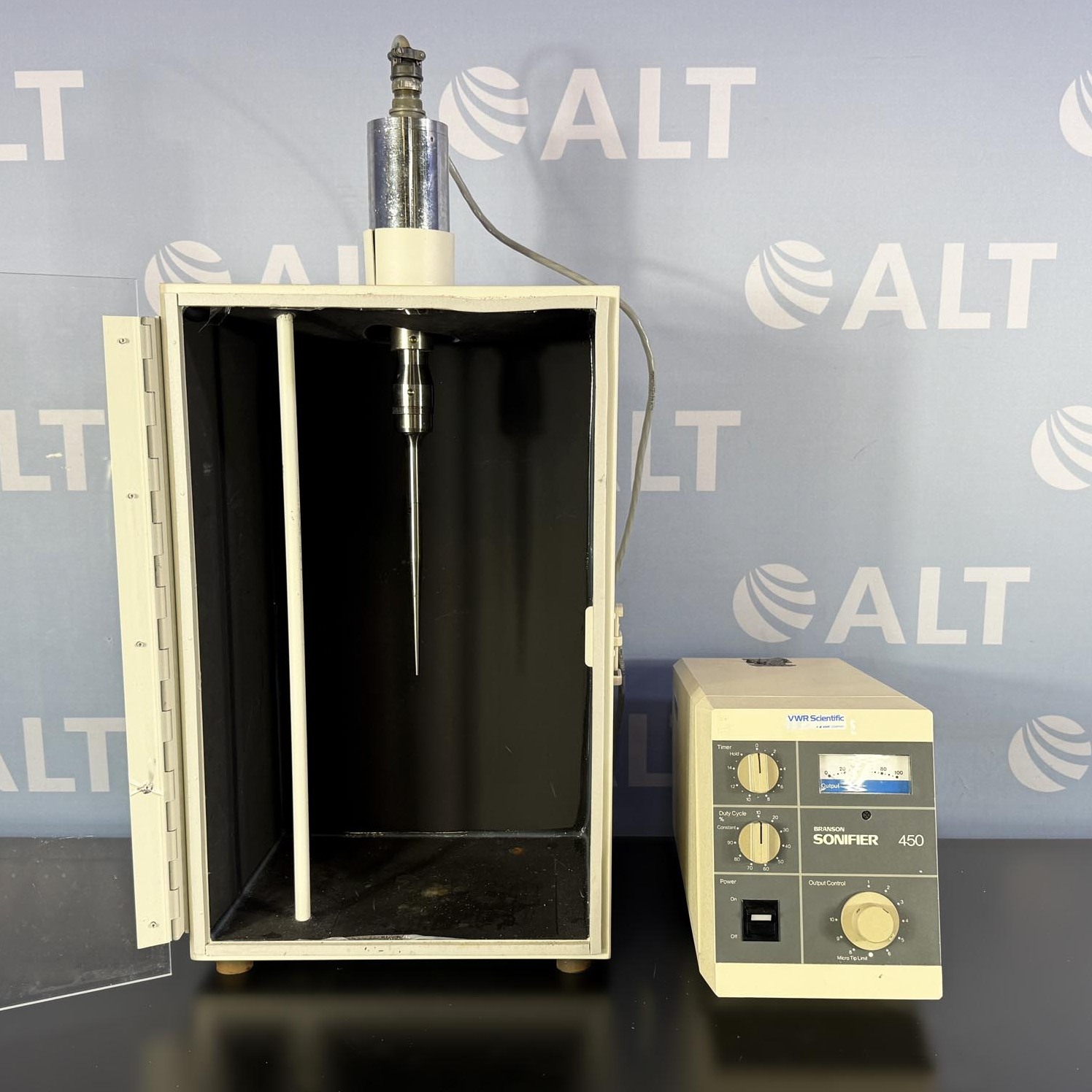
Branson Analog Sonifier 450 Ultrasonic Processor With Converter And Sound Enclosure
Item: 34929
$1,625.00
Learn More 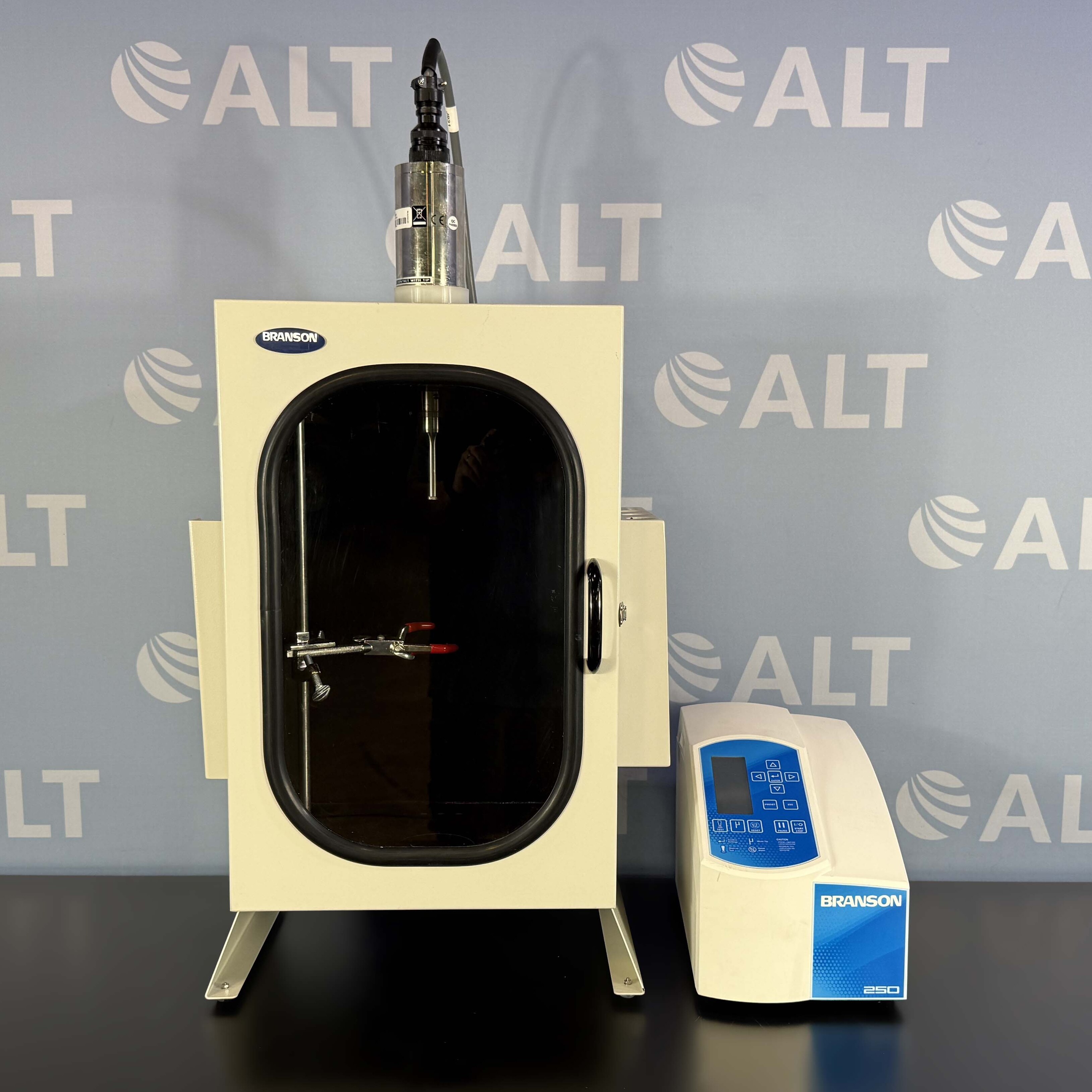
Branson Model SFX 250 Sonifier With 102C Converter And Sound Enclosure
Item: 34668
$2,850.00
Learn More 
Branson Sonifier 250 Cell Disruptor With Model 102C Converter And Cabinet
Item: 34531
$1,345.00
Learn More 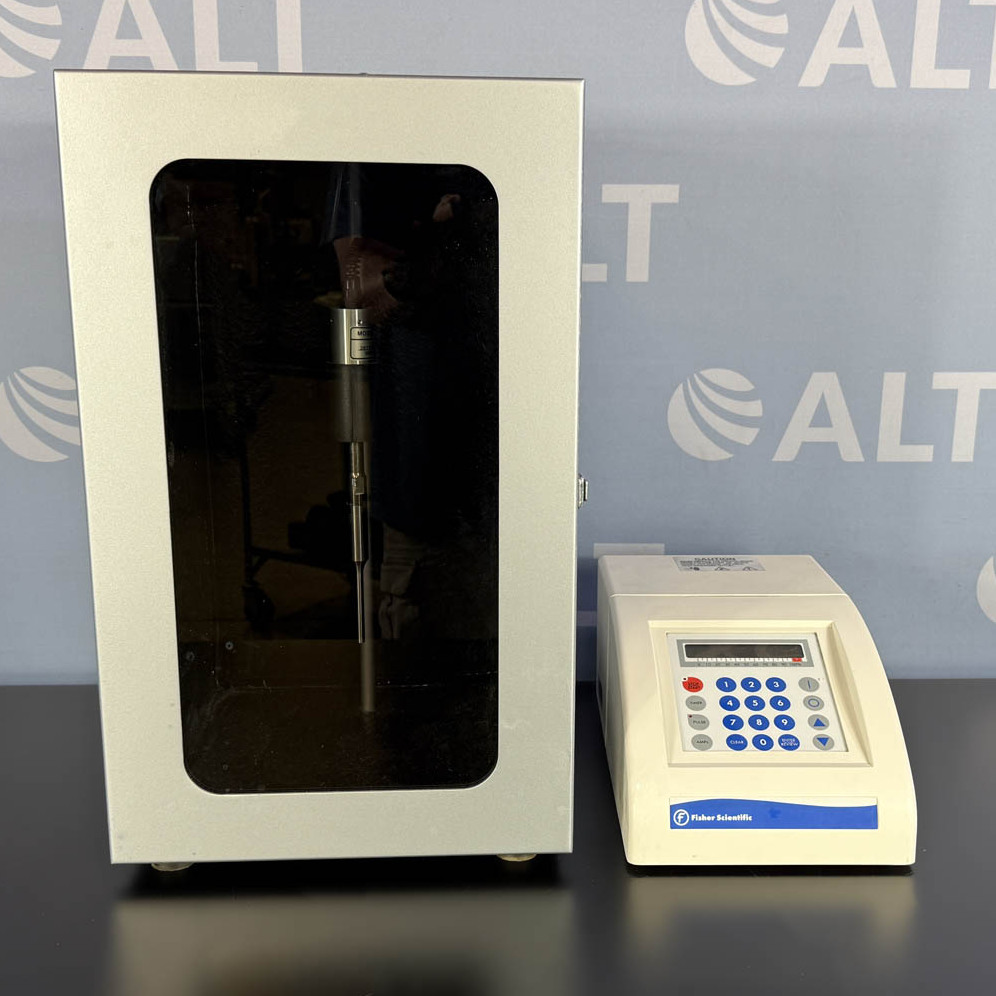
Fisher Scientific FB120 Sonicator With Qsonica CL-18 Converter And Enclosure
Item: 34630
$2,650.00
Learn More 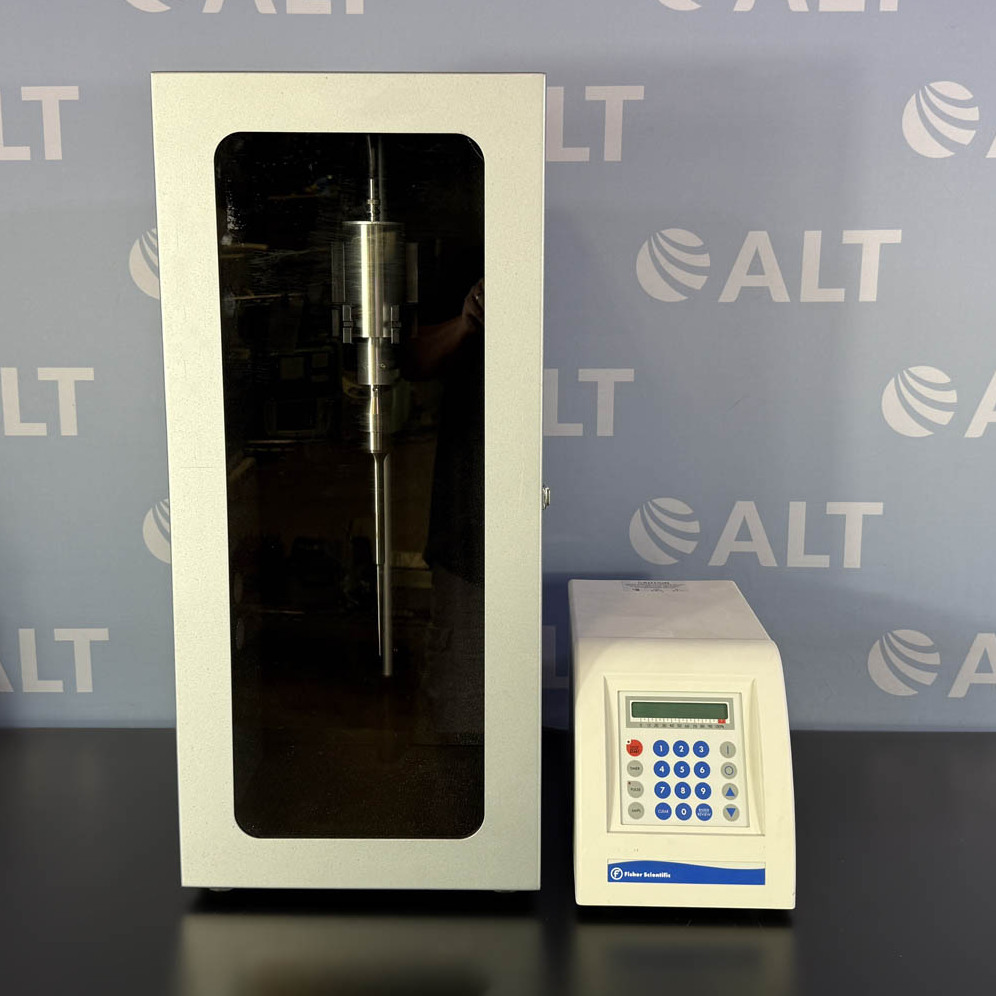
Fisher Scientific FB505 Sonic Dismembrator With CL-334 Converter And Sound Enclosure
Item: 34838
$3,395.00
Learn More 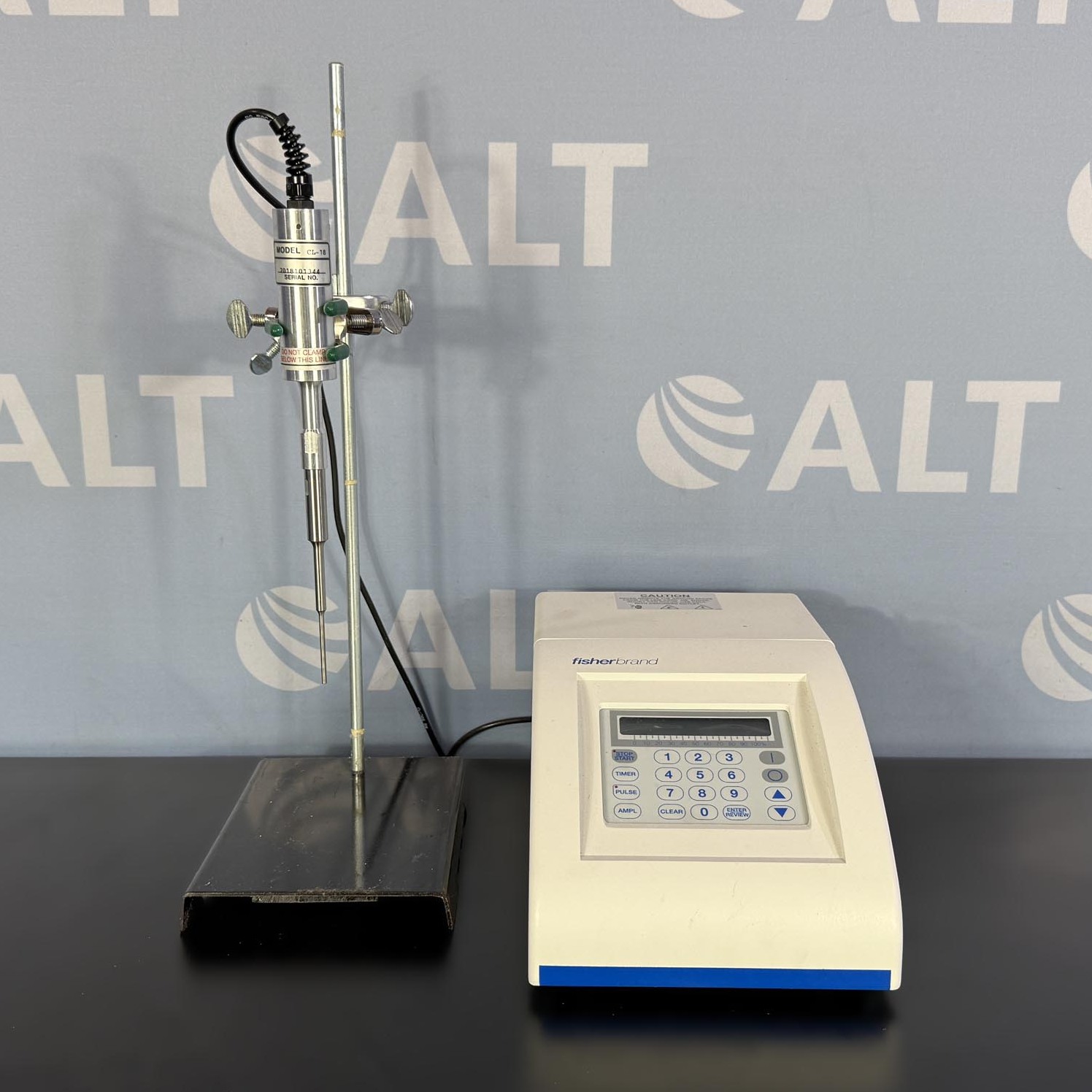
Fisherbrand FB120 Sonicator With Qsonica CL-18 Converter
Item: 34961
$2,195.00
Learn More 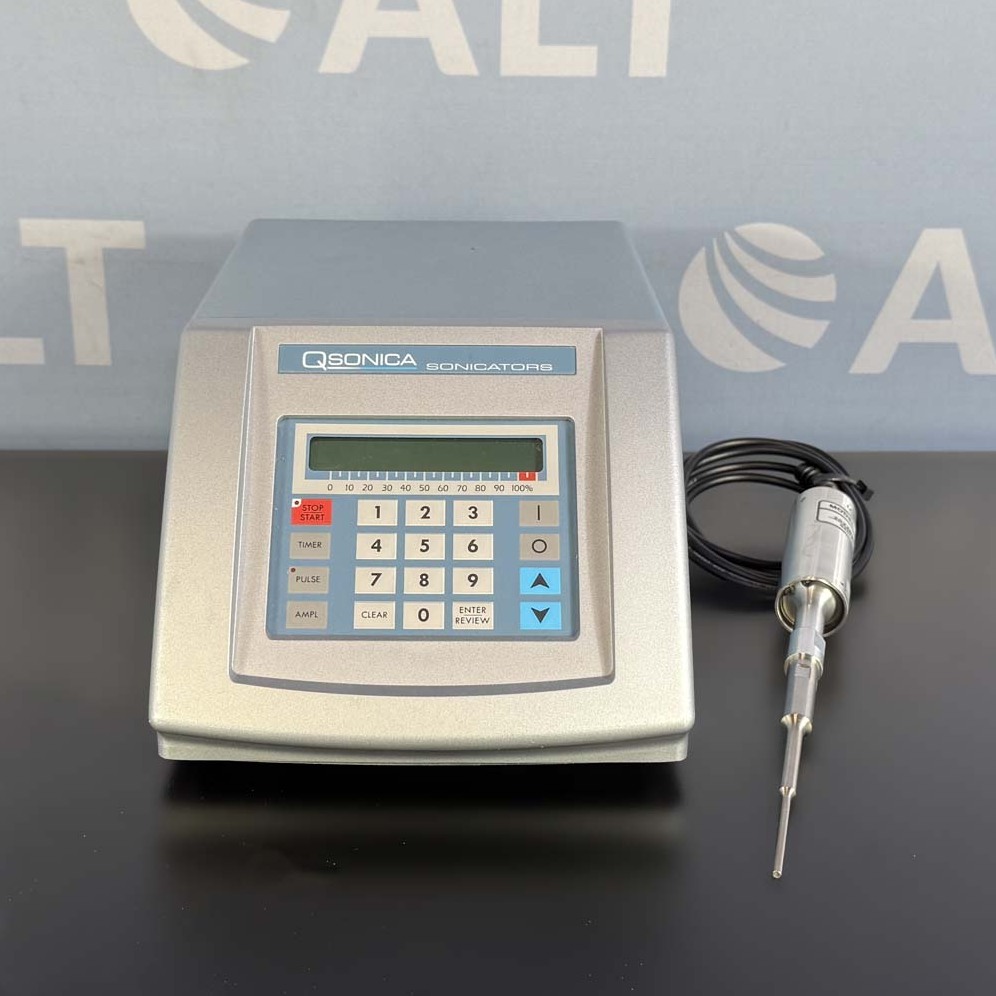
Qsonica Q125 Sonicator With CL-18 Converter
Item: 34551
$1,795.00
Learn More 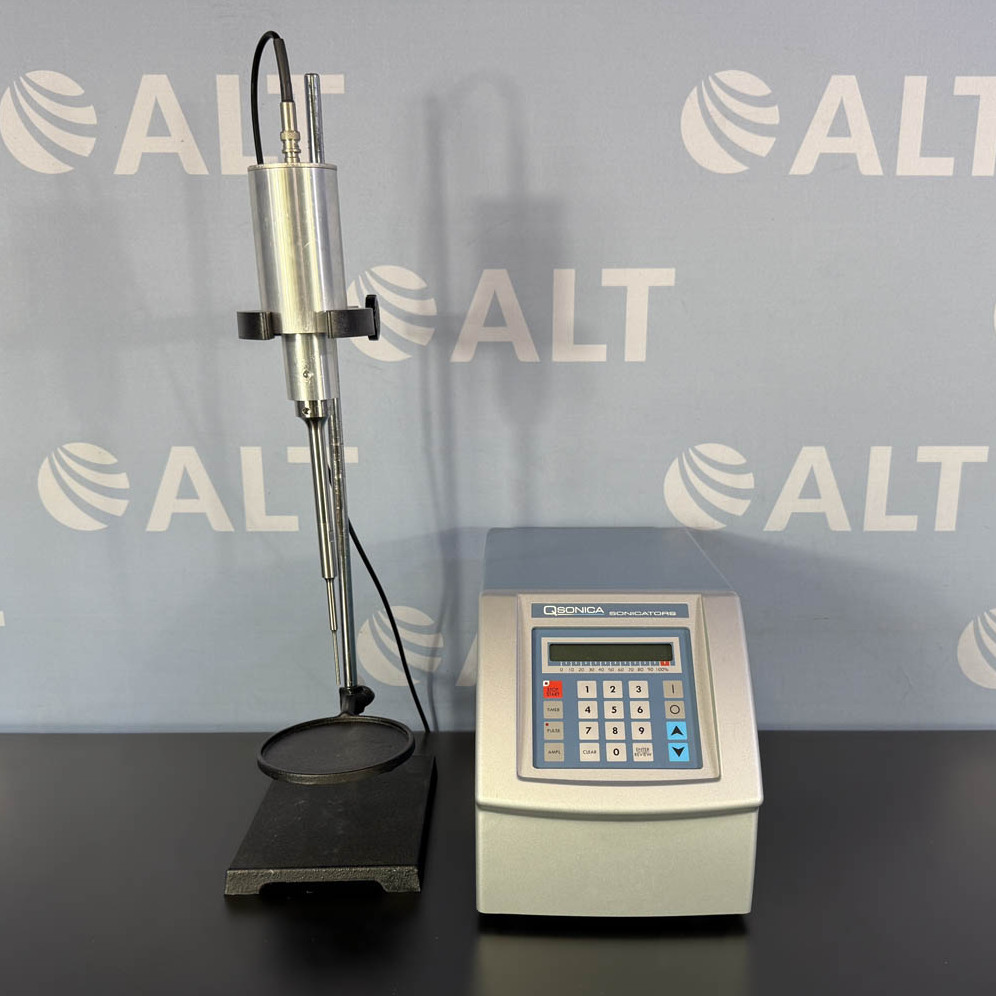
Qsonica Q500 Sonicator With CL-334 Converter
Item: 34835
$2,695.00
Learn More 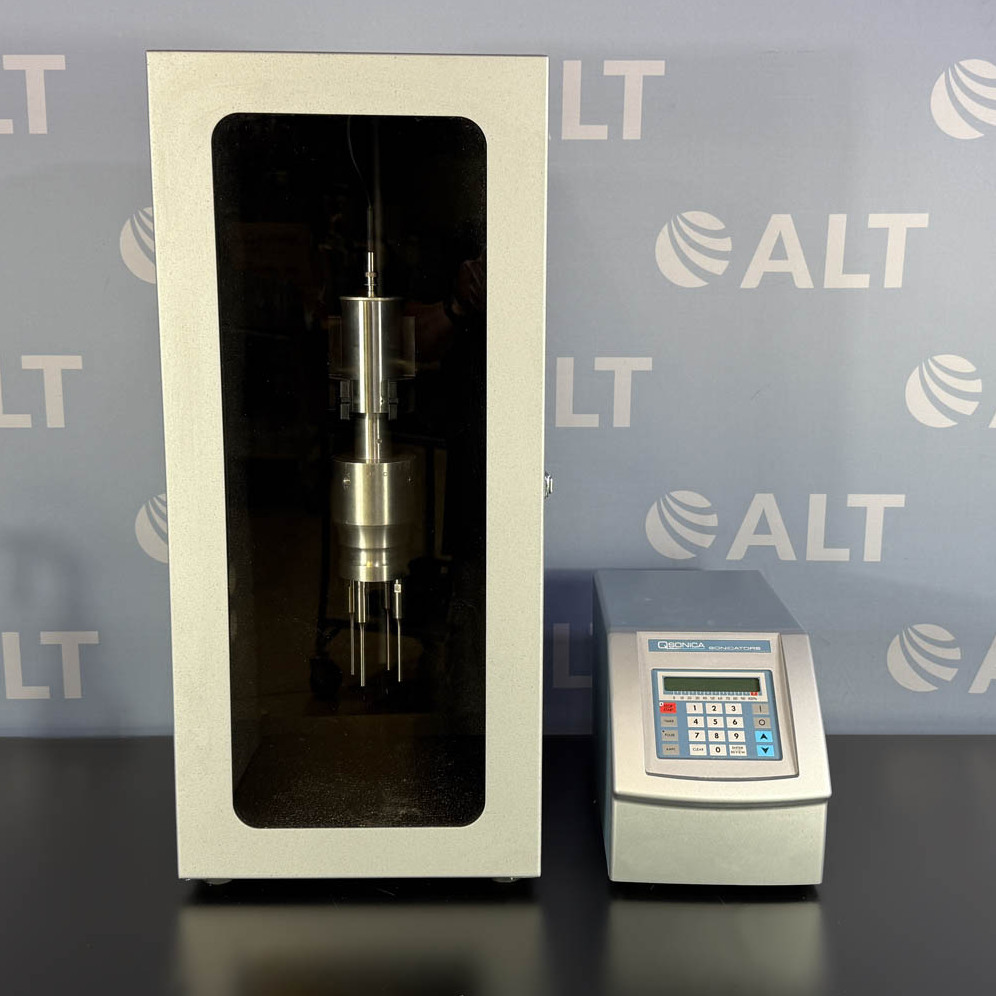
Qsonica Q500 Sonicator With CL-334 Converter, 4-Tip Horn, And Sound Enclosure
Item: 34650
$3,595.00
Learn More 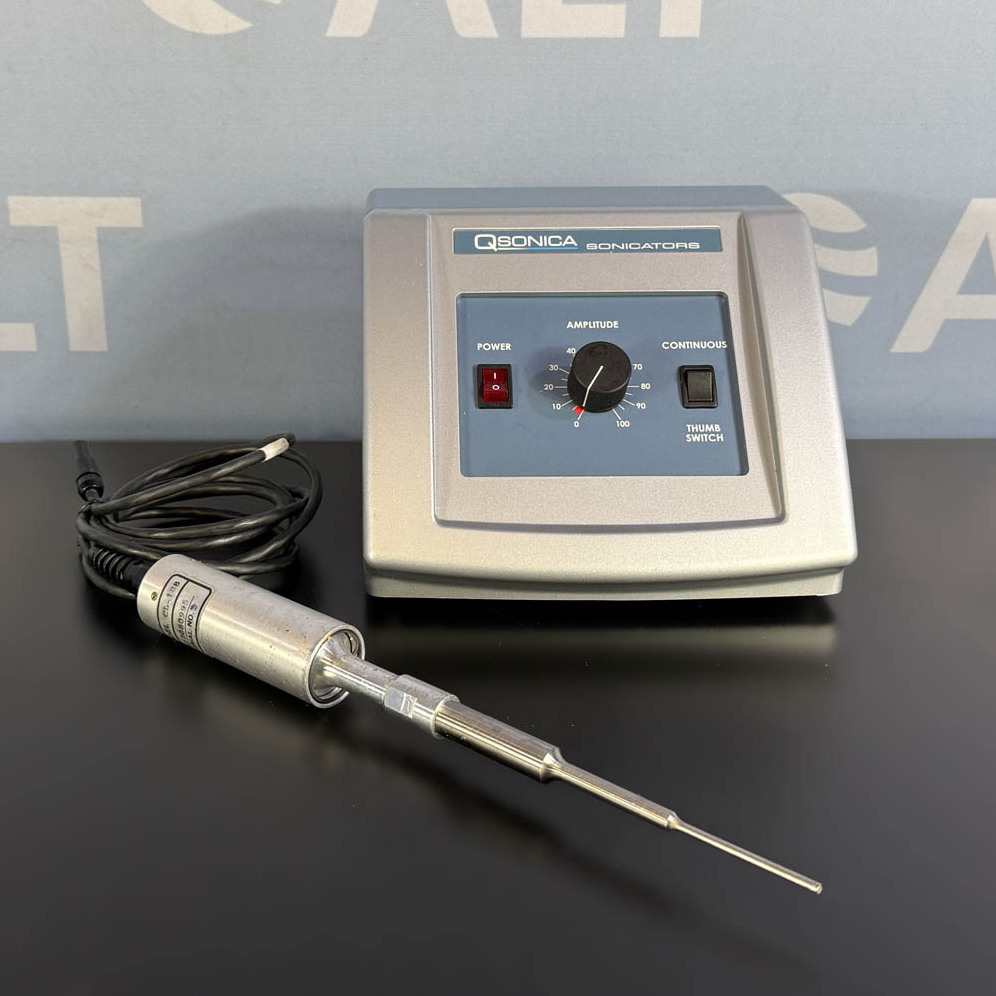
Qsonica Q55 Sonicator With CL-188 Converter
Item: 34894
$1,495.00
Learn More 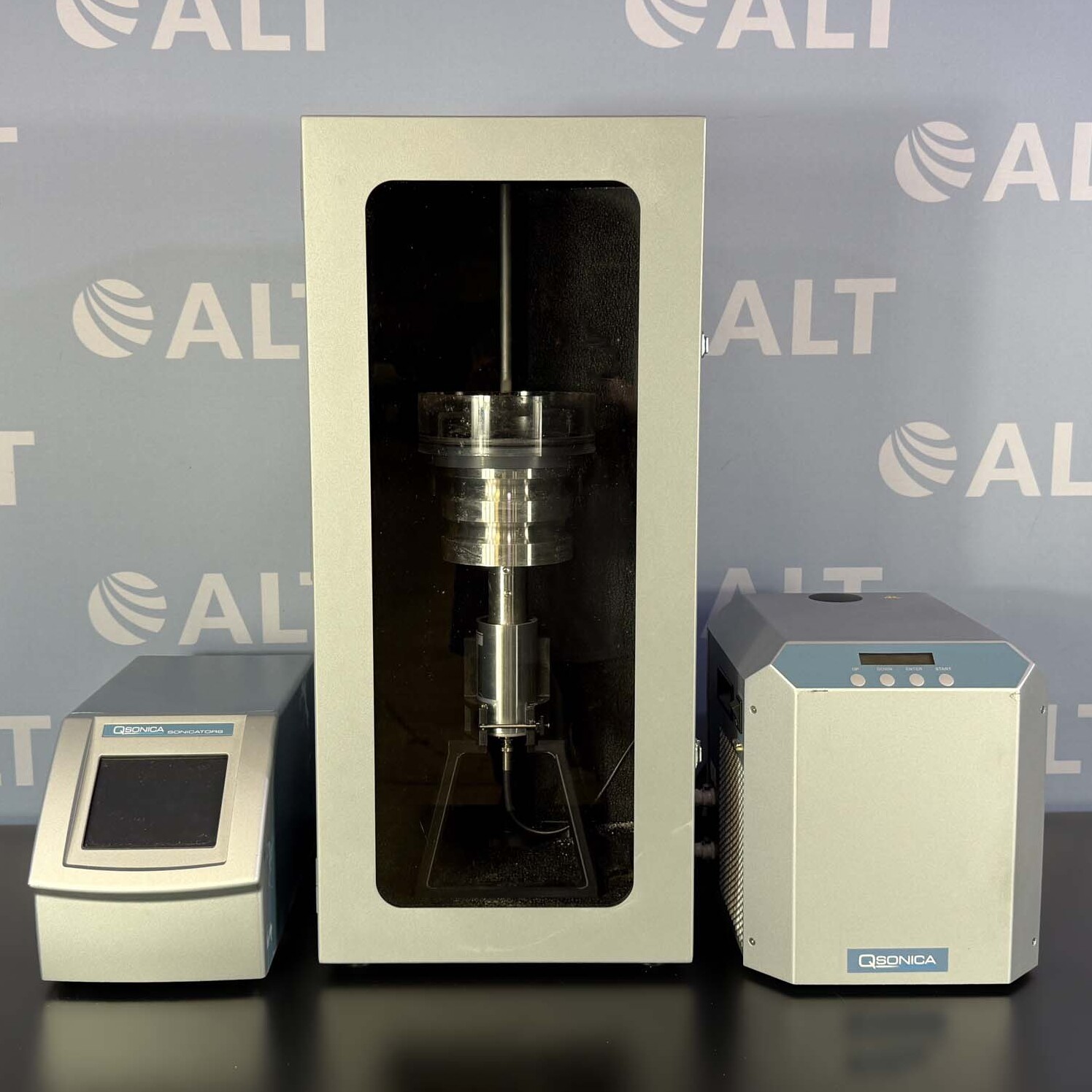
Qsonica Q700MPX Sonicator System With CL-333 Converter, Cup Horn, ThermoCube Recirculating Chiller, Sound Enclosure
Item: 35040
$6,995.00
Learn More 


